Overcoming Imposter Syndrome: Why It's Not About Confidence
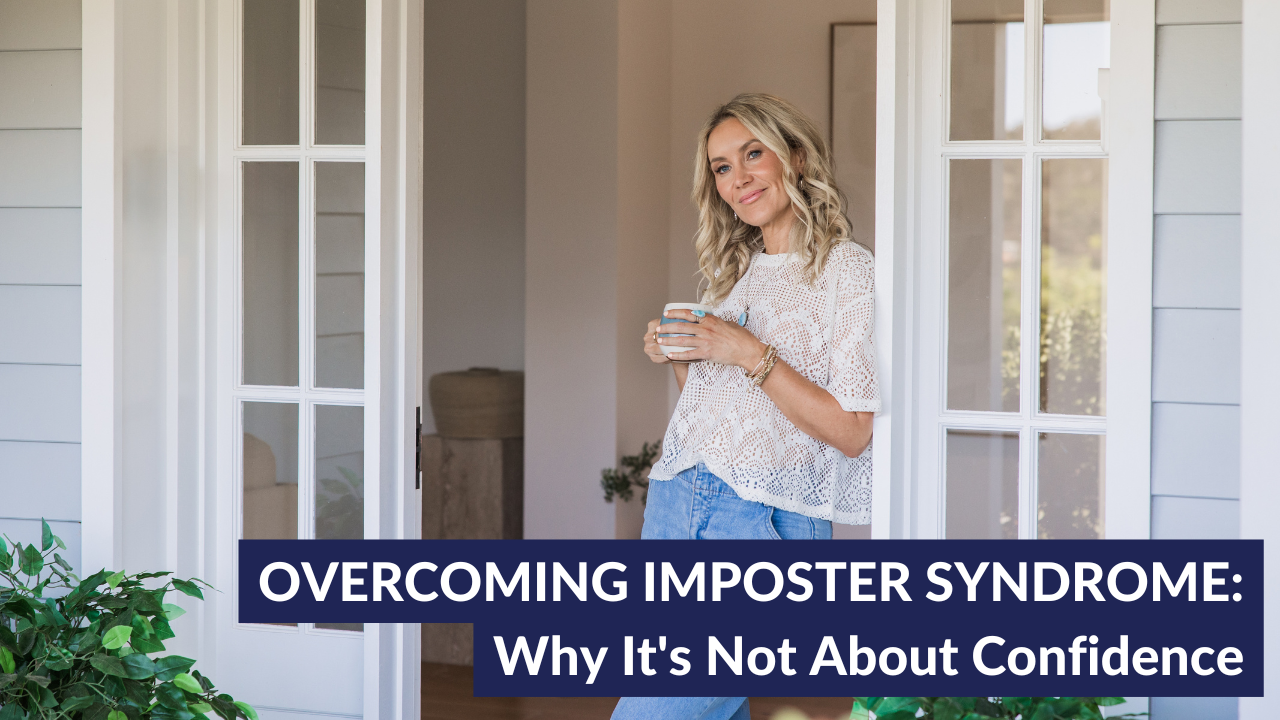

Imposter syndrome gets talked about like a confidence problem.
Like if you just believed in yourself a bit more, it would go away. If you collected enough testimonials, hit enough milestones, got enough external validation, the voice would finally quiet down.
But here is the thing. I have worked with people who have built seven-figure businesses, won awards, and been featured in major publications. And they still hear the voice. Because imposter syndrome is not a confidence problem. It is a worthiness problem.
What imposter syndrome actually is
Imposter syndrome is the gap between your external results and your internal sense of deserving them.
You can close that gap from the outside by chasing more credentials, more social proof, more success. But the gap has a way of staying exactly the same size no matter how fast you run.
The only way to actually close it is to work on the inside. On the belief itself.
The validation trap
When imposter syndrome is running, external validation feels amazing for about twenty minutes and then the doubt comes back. A glowing client review, a big launch number, a speaking invite from someone you admire. It feels incredible and then the voice says: but what about next time?
What if they find out? What if that was a fluke?
This is because the validation is landing on top of a belief that says you do not quite deserve it. It cannot stick. It slides off.
The work is not to get more validation. The work is to change the belief that makes the validation feel temporary.
Why the 'perfect' qualification keeps moving
One of the most common imposter syndrome patterns I see is what I call the moving qualification. You decide you will feel like a real expert once you get the next certification. Then once you have that, you will feel ready once you have more experience. Then once you have more experience, you will feel legitimate once you have a bigger audience.
The qualification keeps moving because the qualification was never the real issue. The real issue is the belief underneath it: that you are not allowed to show up until you are perfect.
And perfectionism is just imposter syndrome with better PR.
What actually helps
The practices that shift imposter syndrome are the same ones that shift worthiness blocks. They work at the level of the belief itself, not the evidence on top of it.
- EFT tapping on the specific thoughts: even though I feel like a fraud, I deeply and completely love and accept myself
- Mirror work: looking yourself in the eyes and saying I approve of you until you start to mean it
- Going back to the origin stories: when did you first learn that you were not enough?
- Practicing receiving compliments fully, without deflecting or minimizing
- Choosing yourself before someone else chooses you
That last one is particularly important. Imposter syndrome loves waiting for permission. For someone else to say you are ready, you are qualified, you are worthy of the opportunity.
The shift comes when you stop waiting. When you declare yourself ready before the evidence arrives. When you choose yourself first.
A free resource to help
The Choose Yourself audio collection is a free set of 14 meditations and affirmations designed to work through the layers of imposter syndrome and unworthiness at a deeper level than strategy alone can reach.
Tracks include tapping for resistance, releasing shame and regret, and the millionaire body scan, one of the most revealing practices for uncovering the hidden rules you hold about who deserves success.
Get the free collection at denisedt.com/worthy
It's your time, and you're ready for the next step.
FREE 3-PART VIDEO SERIES
Rewrite Your Money Story
Discover where your money patterns came from, how they’re affecting your income today, and how to create a calmer, more abundant future.
If money feels harder than it should…
If you earn more but still feel anxious…
If you undercharge, overgive, or constantly second-guess yourself…
It’s not because you’re bad with money.
You’re likely running an old story you never consciously chose.
Start rewriting your money story today...